


Why “device and SIM sprawl” becomes a business problem
Mobile estates tend to grow organically — different handsets, different contracts, inconsistent SIM types, unclear ownership and no real lifecycle plan.
That usually results in:
- Higher support overhead and inconsistent user experience
- Security gaps through outdated devices and unmanaged settings
- Wasted spend through mismatched tariffs and unused SIMs
- Slow onboarding/offboarding because nobody owns the process
- Poor resilience when devices fail or staff need urgent replacements
The device is only half the story — the operational model matters just as much.
The modern device landscape
Modern smartphones are powerful endpoints — effectively pocket computers that hold credentials, business apps and access to sensitive data.
Most organisations now need to support:
- Flagship devices for power users (e.g., latest iPhone and Galaxy S series)
- Mid-range devices for wider fleets where value and consistency matter
- eSIM and dual-SIM use cases (separating personal and business use, or adding resilience)
- Rapid refresh cycles and long-term OS support expectations
The challenge isn’t “what phone is best?” — it’s delivering a consistent, manageable estate.
Why “just buying phones” often falls short
Many businesses treat devices as a one-off purchase and SIMs as an admin task.
Common issues include:
- Users choosing devices without standardisation or policy
- SIMs being issued inconsistently (or left active after leavers)
- No device lifecycle planning (repairs, refresh, spares, replacements)
- Poor alignment between devices and security controls (MDM, compliance)
- No clear ownership of provisioning, number porting, and activation
The result is an estate that works, but is hard to control and expensive to run.
What effective Devices & SIMs management should deliver
A well-run mobile device and SIM strategy should provide:
- Standardised device options by role (clear “good / better / best”)
- Simple onboarding: devices and SIMs delivered ready to work
- Clear ownership and tracking of devices, SIMs and numbers
- Lifecycle management: refresh planning, replacements, spares
- Correct SIM strategy: physical SIM, eSIM, dual-SIM where useful
- Alignment with MDM and security policies so devices are compliant
Done properly, devices become predictable assets — not constant exceptions.
How BSAS approaches Devices and SIMs
BSAS delivers devices and SIMs as part of a managed mobile service.
We start by understanding:
- User roles and usage patterns (field, office, exec, shared)
- Standardisation goals and budget constraints
- Security requirements and whether MDM is in place
- Coverage needs and which network(s) work best for your locations
- How you want onboarding, leavers, and replacements to run
From there, we define a repeatable approach so devices and SIMs can scale without creating admin chaos.
Key capabilities of BSAS Devices & SIMs solutions
Depending on your environment and requirements, our service can include:
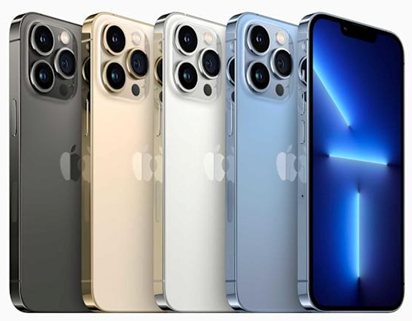
- Supply of current Apple and Samsung devices aligned to business use cases
- Role-based standard device sets (including accessories/headsets where needed)
- SIM provisioning, activation, and number porting
- eSIM and dual-SIM options where appropriate
- Device lifecycle support: replacements, refresh planning, spares strategy
- Centralised visibility and support to reduce internal admin
These capabilities ensure devices and SIMs are not just supplied, but managed and supportable.

Why BSAS is different
Most suppliers will sell handsets and SIMs — then the ongoing management becomes your problem.
BSAS differentiates by:
- Building a mobile estate that is standardised and repeatable
- Aligning device choice with security and manageability, not just specs
- Managing the practicalities: provisioning, porting, replacements, changes
- Supporting growth without losing control of costs and assets
- Treating devices and SIMs as part of your wider comms and IT environment
- The goal is fewer exceptions, fewer headaches, and better consistency.
How Devices & SIMs fit into a wider mobility strategy
Devices and SIMs sit at the centre of mobile productivity and mobile security.
When combined with:
- Business Mobile plans across the major UK networks
- Mobile Device Management (Intune / SOTI) to enforce policy and protect data
- Microsoft 365 security and identity controls (Conditional Access, MFA)
- Voice & UC services (Teams Voice / 3CX)
…you get a mobile estate that’s productive, secure, and operationally manageable.
Who this service is for
Devices and SIMs management is ideal for organisations that:
- Want to standardise devices and reduce support overhead
- Need faster onboarding and simpler leaver processes
- Have grown organically and want control back
- Need eSIM/dual-SIM options for flexibility
- Want devices aligned with MDM and security requirements
If mobile devices touch business data, they need to be handled deliberately.
Moving beyond “phones and contracts”
The best mobile estates aren’t the ones with the fanciest handsets — they’re the ones that are consistent, secure and easy to run.
BSAS helps organisations:
- Standardise and simplify device choice
- Reduce wasted spend and admin overhead
- Improve user experience and supportability
- Keep mobile estates aligned with security and compliance
Devices and SIMs should enable modern working — not create operational noise.